
The Compliance Trap: Why ISO and Audit Compliance Often Reduces Real Performance
Compliance programs can create bureaucracy that hurts performance. Learn how to design compliance as operational control, not paperwork.
1. Many Organizations Chase Compliance by Creating Bureaucracy
Many organizations chase compliance by creating more forms, more signatures, more checks. This often slows execution and pushes staff into bypass behavior, resulting in worse compliance in reality even if paperwork increases.
2. Compliance Must Be Risk-Based
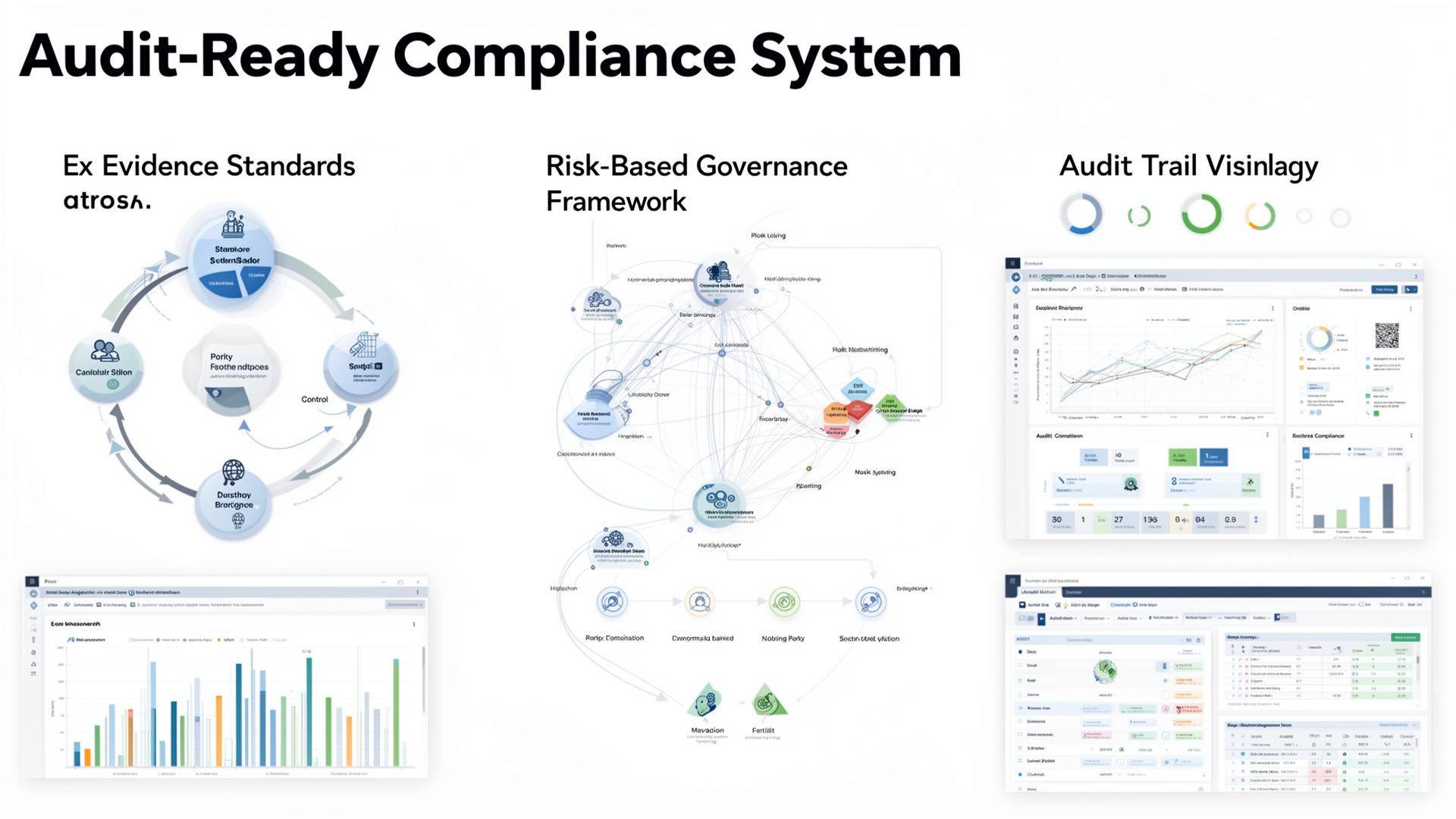
Focus controls on life safety and statutory assets, high consequence zones, repeat failure pathways, and vendor performance risk rather than uniform bureaucracy.
- Life safety and statutory assets
- High consequence zones
- Repeat failure pathways
- Vendor performance risk
3. Evidence-Based Compliance Reduces Bureaucracy
Define minimum evidence standards and enforce them through digital workflows and sampling. This reduces paper compliance and strengthens audit defensibility.
- Define minimum evidence standards
- Enforce through digital workflows
- Use QA sampling for verification
- Reduce paper compliance burden
- Strengthen audit defensibility
4. True Compliance Is Operational Control Aligned to Risk
When compliance is engineered properly, it improves both audit outcomes and performance. It is not about paperwork volume, it is about control engineering.
Conclusion
True compliance is operational control aligned to risk. It is not paperwork volume. When compliance is engineered properly, it improves both audit outcomes and performance.
More Insights


Want to discuss this topic?
Our team of practitioners can help you apply these frameworks to your operations.
Get in Touch