
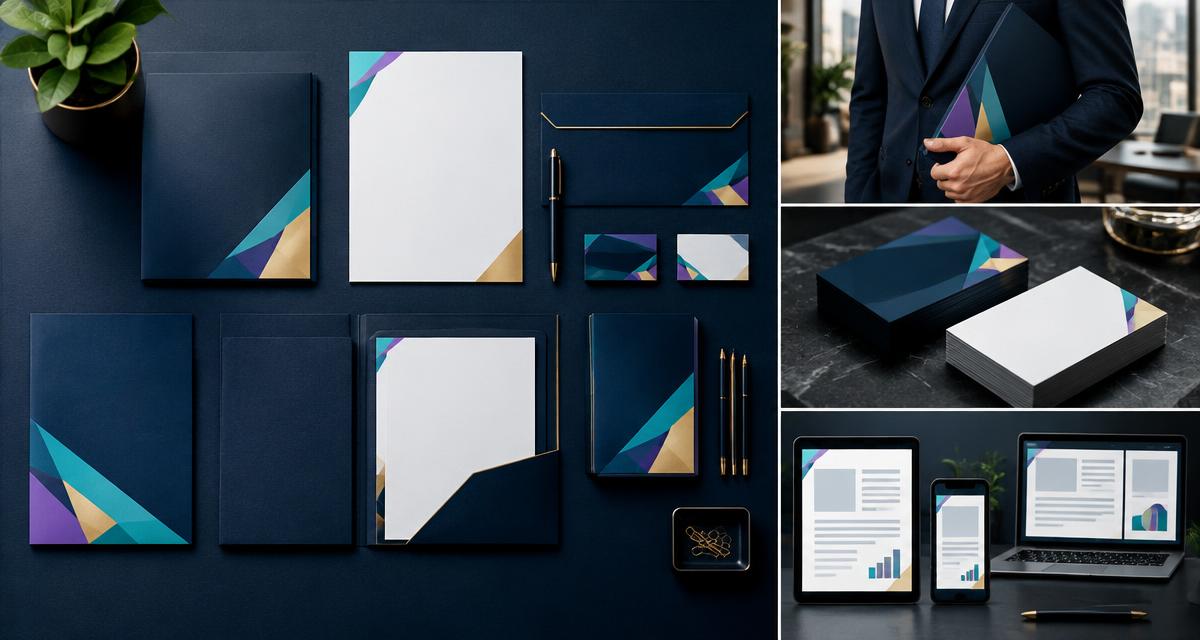
Corporate Stationery Is Part of Your Operating System
Proposals, reports, email signatures, letterheads, and presentation templates shape trust every day. Treating them as isolated design files creates inconsistency and production waste.
1. Every Document Is a Brand Interaction
Customers often experience the company through proposals, invoices, reports, emails, and presentations before meeting the wider team. Inconsistency signals weak internal control even when the service is strong.
2. Design a Connected Template Family
Templates should share hierarchy, spacing, typography, colours, imagery, and document logic while adapting to their purpose.
- Letterhead and official correspondence
- Proposal and company profile
- Presentation and report masters
- Email signatures and digital forms
- Business cards and meeting materials
3. Engineer for Real Production
A beautiful template that breaks when edited is not useful. Build for common tools, long titles, bilingual content, tables, charts, print, screen, and accessibility.
4. Control Masters and Versions
Keep approved master files, name versions consistently, define editing permissions, and retire outdated assets. This reduces rework and prevents obsolete information from circulating.
Conclusion
Corporate stationery creates value when it makes quality repeatable. A connected, governed template system strengthens trust while reducing the cost of everyday production.
More Insights


Want to discuss this topic?
Our team of practitioners can help you apply these frameworks to your operations.
Get in Touch