

Evidence-Based FM: Why 'Work Order Closure' Is a Broken Metric
Work order closure rates can hide operational debt. Learn the evidence-based FM metrics, closure quality gates, and audit-ready standards that actually improve uptime and compliance.
1. Closure Is a Transaction, Reliability Is a System Outcome
A work order is a transactional record. Closure means the record moved to a final status. That says nothing about whether the underlying problem was resolved, prevented from recurring, or properly evidenced for compliance and audit. In operational science terms, closure is a process output. Reliability is a system outcome.
- Recurrence rate by asset class and failure mode
- Mean time between failures trends
- Corrective backlog aging distribution
- Safety and statutory compliance evidence integrity
- Cost per asset and cost per failure event
2. The 'Fast Closure' Failure Mode
When teams are evaluated primarily on closure, the rational behavior becomes: minimize time on documentation, reduce field verification steps, close with generic text, avoid escalations, and downgrade complex jobs into easy categories. This creates 'fast failure' where issues appear resolved in the system while recurrence continues in the real world.
- High SLA scores paired with low evidence attachment rates
- High proportion of generic categories such as 'General Maintenance'
- Poor failure code usage
- High repeat calls from the same zone, asset, or resident
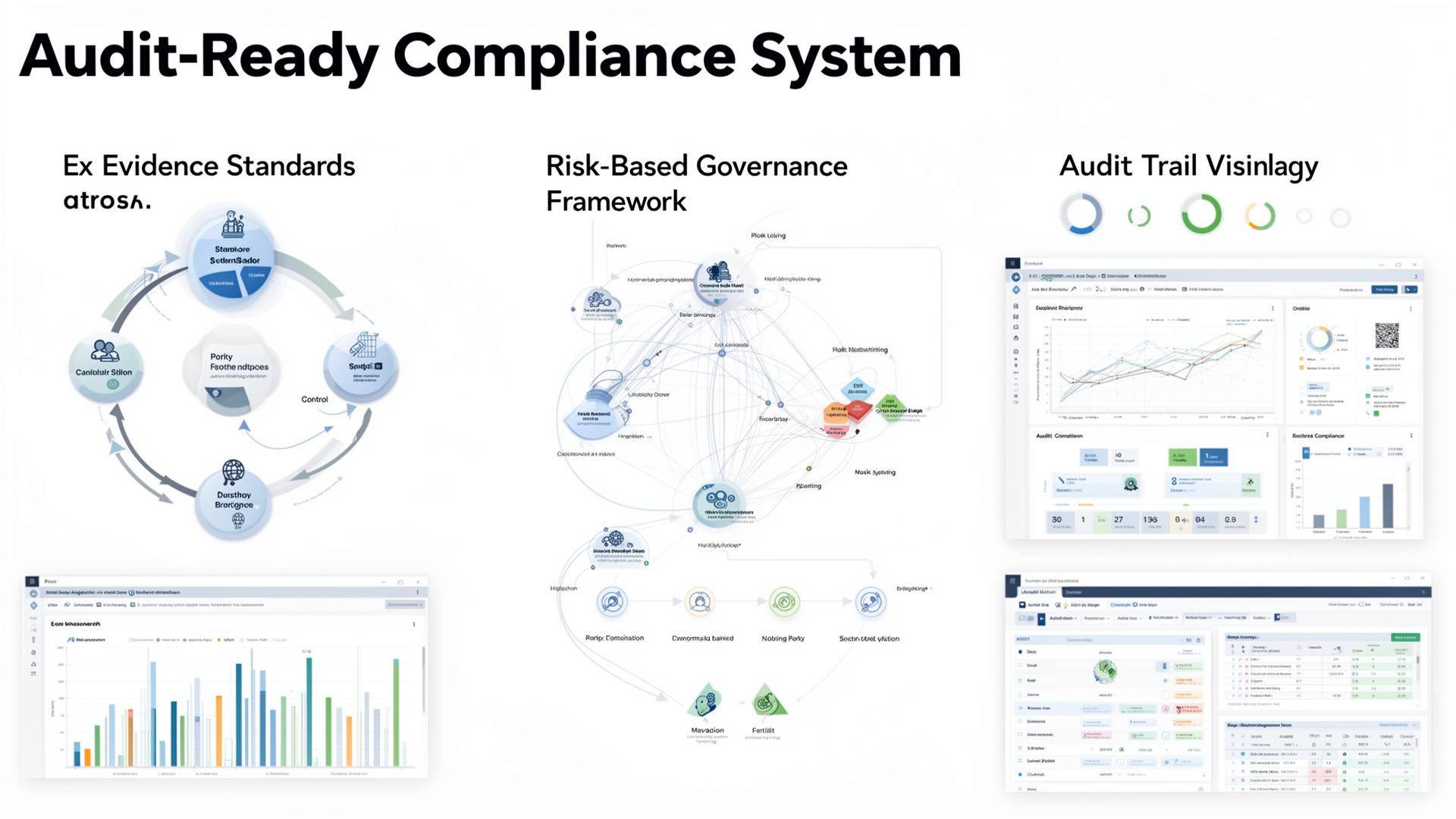
3. The Minimum Closure Evidence Standard
If you want closure to mean something, you need closure evidence standards. These are not optional, they are the control layer that makes data trustworthy.
- Problem identification evidence: photo, meter reading, alarm screenshot, inspection checklist
- Diagnosis evidence: failure code, component code, root cause classification, diagnostic notes
- Remedy evidence: remedy code, action taken, parts replaced, service performed
- Verification evidence: post-fix photo, test result, commissioning check, supervisor sign-off
- Time integrity: accurate timestamps for request, dispatch, arrival, work start, work finish, and closure
4. Closure Quality Index: The Metric That Replaces Closure Rate
You do not eliminate closure metrics. You replace them with a closure quality index, a composite score designed to predict audit defensibility and recurrence reduction.
- Completeness of mandatory fields by job type
- Evidence attachment compliance rate
- Correct coding rate (failure, remedy, component)
- Verification compliance for critical assets
- Supervisor QA sampling pass rate
- Rejection rate and rework rate
5. Closure Gates: Making Bad Closure Impossible
Most CAFM systems fail not because they cannot capture data, but because they allow low-quality closure. Closure gating means the system blocks closure unless minimum evidence and coding requirements are met for that job type.
- Statutory maintenance requires evidence attachments plus supervisor approval
- Corrective on critical assets requires failure code, remedy code, and verification evidence
- Repeat jobs within a recurrence window require root cause classification and corrective action plan
6. QA Sampling: The Enforcement Mechanism
Even with gating, quality decays unless reinforced. QA sampling is the enforcement mechanism.
- Sampling rates by criticality, contractor, site, and job type
- Objective pass and fail criteria
- Rejection workflow and rework requirements
- Trend reporting and targeted coaching
7. Scientific Outcomes to Track After Implementation
A credible evidence-based FM program should show measurable shifts within 60 to 90 days.
- Higher evidence compliance rate
- Lower generic category usage
- Improved coding consistency
- Reduced recurrence for top failure modes
- Reduced backlog aging for critical corrective tasks
- Improved audit pass rates for statutory and safety jobs
Conclusion
Work order closure is a broken primary metric because it measures transaction completion, not service health. Evidence-based FM replaces closure obsession with closure quality control, enforced by closure gates and QA sampling. That shift makes your data trustworthy, your audits defensible, and your reliability measurable.
More Insights


Want to discuss this topic?
Our team of practitioners can help you apply these frameworks to your operations.
Get in Touch