

The Future of FM Operating Models in the GCC
How facilities management advisory is evolving to meet the demands of smart cities and mega-projects across the Gulf region. The shift from reactive to proactive service delivery is reshaping the industry.
1. The Real Driver Is Not Technology, It Is Risk Math
The operating model must be redesigned because the risk profile changed. Asset criticality is higher, especially in airports, mixed-use districts, and high-end residential communities. Failure tolerance is lower, because downtime impacts reputation, safety, revenue, and regulatory standing. Decision latency must drop, because a reactive model is fundamentally a slow model.
- Uptime protection, not ticket closure
- Risk reduction, not reactive heroics
- Cost predictability, not end-of-year rationalization
2. The GCC Is Converging on Three Dominant FM Operating Models
Across the region, three models are emerging as dominant approaches to modern facilities management.
Model A: Central Control Tower with Distributed Execution
- Central performance governance
- Standard workflows and data rules
- Unified reporting and escalation thresholds
- Wins because it reduces variation and improves early detection of failure patterns
Model B: Outcome-Based Contracting with Strict Acceptance Gates
- Uptime KPIs replace manpower-based scoping
- Evidence-driven compliance requirements
- Earned performance weightage
- Requires a mature governance layer to succeed
Model C: Hybrid Operator Model
- Core FM separated from specialist service lines
- HVAC optimization, fire-life safety, vertical transportation handled by specialists
- Core team runs stable workflows
- Specialists run targeted intervention cycles based on risk
3. The Operating Model Is Defined by Governance, Not Org Charts
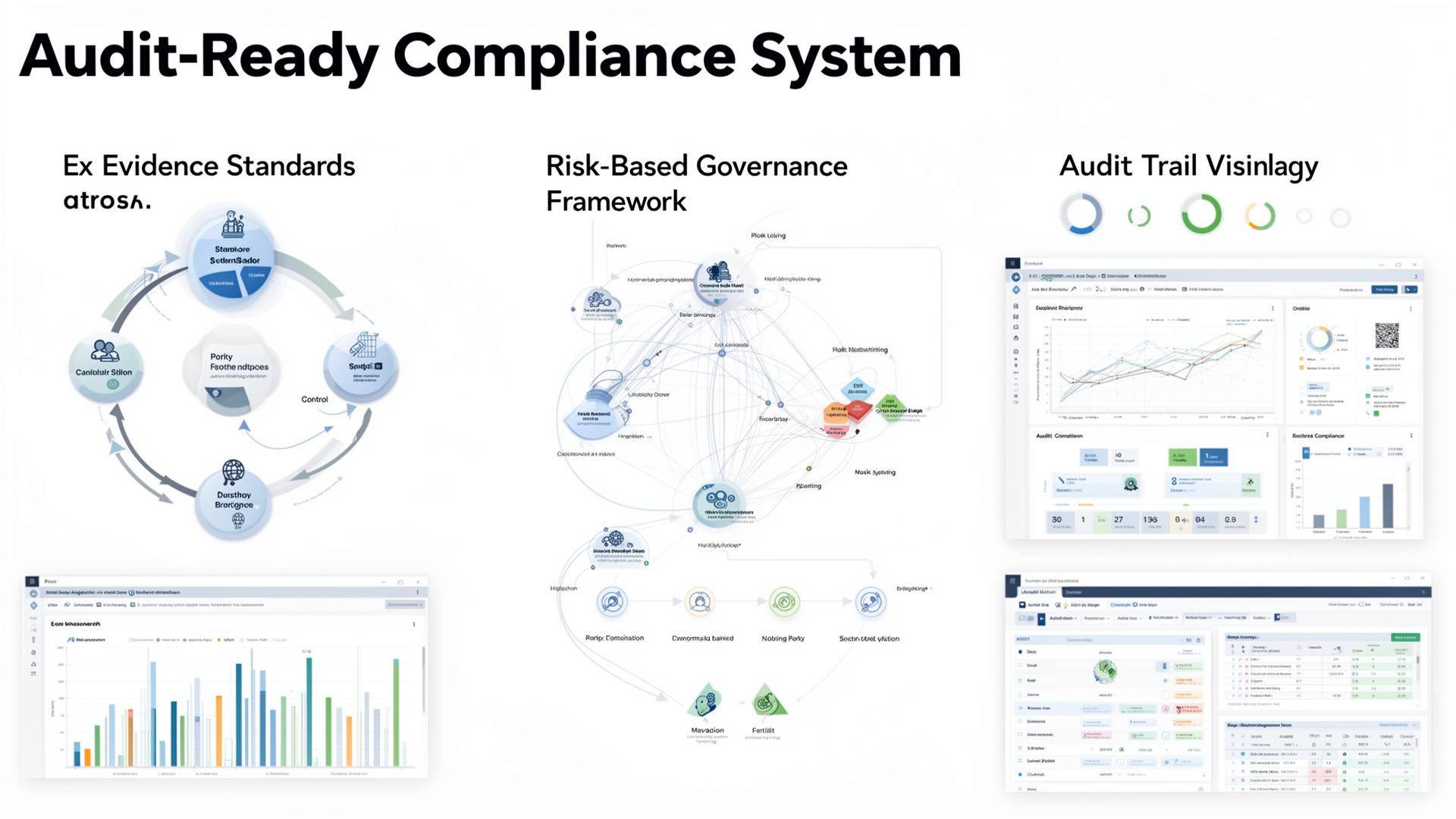
Most 'operating model' documents fail because they focus on structure, not control. A real operating model must specify decision rights, escalation triggers, evidence standards, and review cadence. If those are not explicit, the operating model becomes a presentation, not an executable system.
- Decision rights: who can approve what, when
- Escalation triggers: what thresholds force action
- Evidence standards: what proof is required to close and report
- Review cadence: daily, weekly, monthly performance forums
4. Proactive FM Is Not 'Doing More PPM,' It Is an Evidence System
Proactive FM is often misunderstood as increasing planned maintenance volume. Scientifically, proactive FM is a cycle that requires rigorous evidence at every stage.
- Detect weak signals: trend deviations, repeated failures, abnormal runtimes
- Validate causality: field checks, inspection evidence, sensor confirmation
- Convert to intervention: targeted PM, corrective backlog, redesign, vendor change
- Measure impact: reduced recurrence, improved uptime, improved cost curve
5. The Minimum Data Architecture for the Next-Gen Model
A modern GCC FM operating model requires five data pillars. If the data cannot support these pillars, dashboards will be decorative.
- Asset registry integrity: unique IDs, hierarchy, location logic
- Work order discipline: structured coding, closure quality, evidence
- SLA and response-time telemetry: timestamps, escalation, breach logic
- Condition and risk signals: inspections, failures, safety nonconformities
- Cost attribution: labor, materials, subcontractor, asset-level cost of ownership
6. How to Measure Operating Model Maturity, Scientifically
You can score maturity using measurable indicators. A high SLA score with weak evidence and recurring failures is operational debt, not success.
- Percentage of work orders with complete evidence and correct coding
- Repeat failure rate by asset class (MTBF trend)
- Corrective backlog aging distribution
- Planned vs reactive ratio, segmented by asset criticality
- SLA compliance adjusted for quality (not just speed)
7. The Future: Operating Models as Systems of Control
In the GCC, the future FM operating model will resemble an operating system with standardized workflows, data enforcement, automated escalation, outcome-based performance economics, and strong governance rhythms. This is how FM becomes defensible, measurable, and scalable in mega-project environments.
Conclusion
The future of FM operating models in the GCC is not a prettier org chart. It is governance engineering, evidence discipline, and risk-based intervention loops. Firms that master those will dominate. Firms that keep selling reactive delivery with dashboards will be replaced.
More Insights


Want to discuss this topic?
Our team of practitioners can help you apply these frameworks to your operations.
Get in Touch