

Designing Outcome-Based KPIs Without Creating Perverse Incentives
Outcome-based KPIs can drive performance or create KPI gaming. Learn how to design balanced KPI architectures with audit controls that prevent perverse incentives.
1. Perverse Incentives: The Predictable Failure Patterns
Poor KPI design creates perverse incentives where vendors optimize the metric while harming the underlying service. These are not vendor ethics issues, they are incentive design issues.
- SLA response time targets cause rushed closures and poor first-time fix
- 'Backlog reduction' targets cause closure of low-impact jobs while critical backlog ages
- 'Cost reduction' targets cause deferment of essential work, increasing long-term failure risk
- 'Customer satisfaction' targets cause selective service focus, neglecting compliance areas
2. KPIs Must Measure Outcomes and Control Variables
An outcome KPI must be paired with control KPIs that prevent gaming. Without control KPIs, uptime can be manipulated by selective reporting, delayed classification, or bypassing traceability.
- Outcome KPI: uptime percentage for critical systems
- Control KPIs: closure evidence compliance, recurrence rate, critical backlog aging, QA pass rate
3. Define What the KPI Is, and What It Is Not
If a KPI does not explicitly define boundaries, disputes become inevitable.
- Formula and calculation method
- Data source and measurement frequency
- Boundaries and exclusions
- Evidence requirements
- Dispute resolution rules
4. Use Leading Indicators to Prevent Late Detection
Outcome KPIs are often lagging indicators. By the time uptime drops, damage is already done. Leading indicators allow corrective action before outcomes collapse.
- Recurrence clusters signal reliability degradation
- Backlog aging curve shifts predict service failure
- Deterioration in closure quality index forecasts compliance issues
- Rising emergency call-outs indicate systemic problems
- Increased vendor rework rate signals capability gaps
5. KPI Tiering by Criticality Is Mandatory
One KPI across all assets is scientifically wrong. A hospital-like zone and a low-occupancy back-of-house zone cannot be measured identically. KPI design must be tiered by asset criticality to prevent resource misallocation and metric distortion.
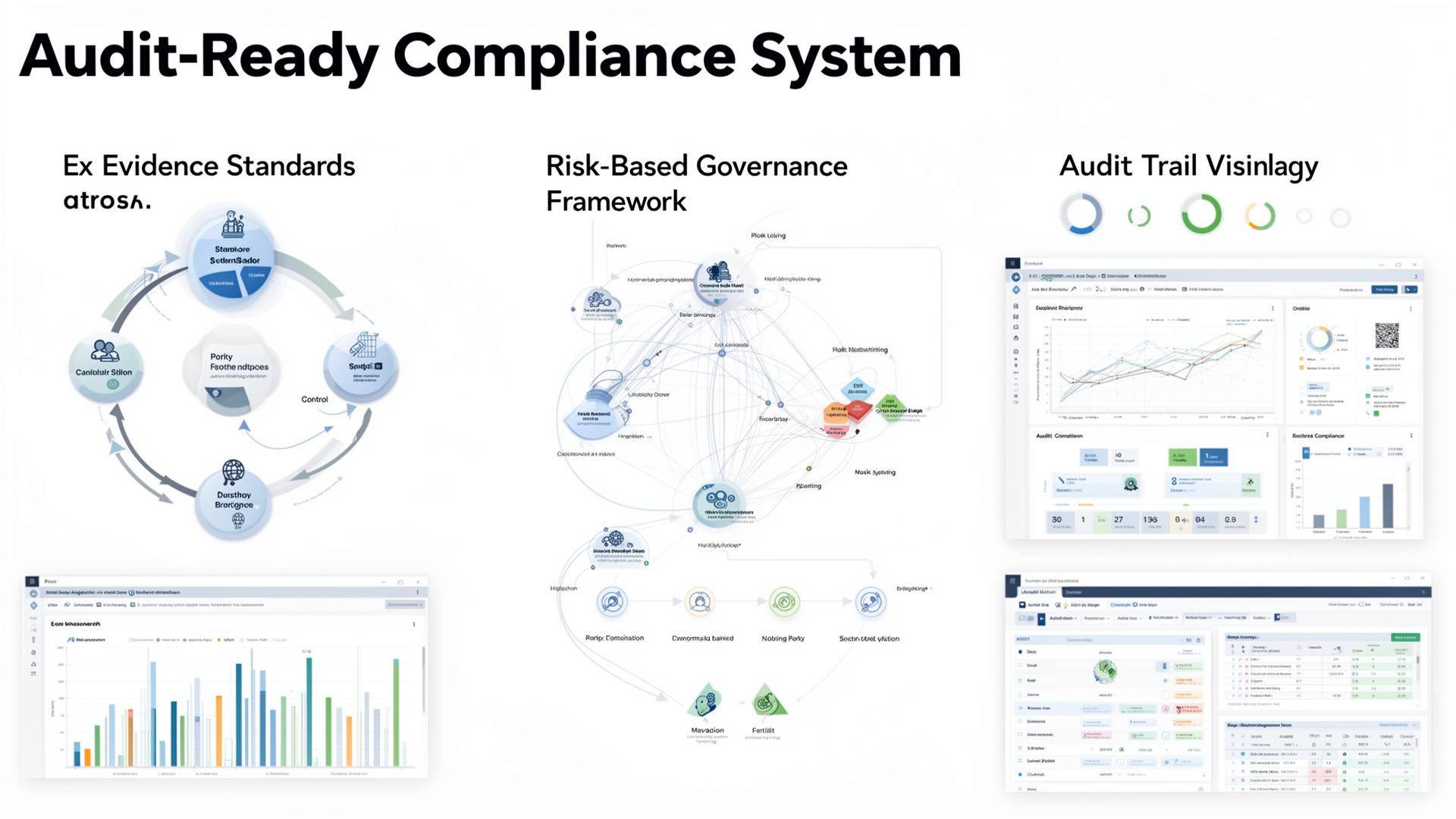
6. Audit Controls: The Enforcement Mechanism
If an outcome KPI affects payments, incentives, or penalties, audit controls are non-negotiable. KPIs without audit controls are invitations to contest.
- Audit trail integrity with no uncontrolled edits
- Evidence standards for closure and compliance
- QA sampling with rejection workflow
- Periodic independent verification for high-risk KPIs
7. Avoid Single-Metric Economics
When a contract ties large economics to one KPI, vendors optimize around it. The solution is multi-metric economics with guardrails.
- Weight outcomes but maintain minimum thresholds for safety, compliance, and evidence
- Include disqualification rules for critical compliance failures
- Prevent 'performance arbitrage' through balanced measurement
Conclusion
Outcome-based KPIs are powerful when engineered correctly. They must be paired with control KPIs, leading indicators, criticality-tiered thresholds, and audit controls. Without these, they create predictable perverse incentives, KPI gaming, and operational debt. A KPI framework should behave like a control system: it detects risk, triggers action, and verifies outcomes, not just reports numbers.
More Insights


Want to discuss this topic?
Our team of practitioners can help you apply these frameworks to your operations.
Get in Touch