
From Playbooks to Digital Workflows: How to Automate Execution End-to-End
Playbooks are useless if they don't execute. Transform playbooks into automated digital workflows using rules, gating, escalation logic, and measurable governance.
1. Playbooks Fail Because They Are Optional
A written playbook is optional. A digital workflow is not. Optional systems lose against urgency. A playbook becomes operational only when steps are embedded into task flow, the system enforces mandatory data, approvals and escalations are automatic, and exceptions are controlled and measurable.
2. The Workflow Automation Architecture
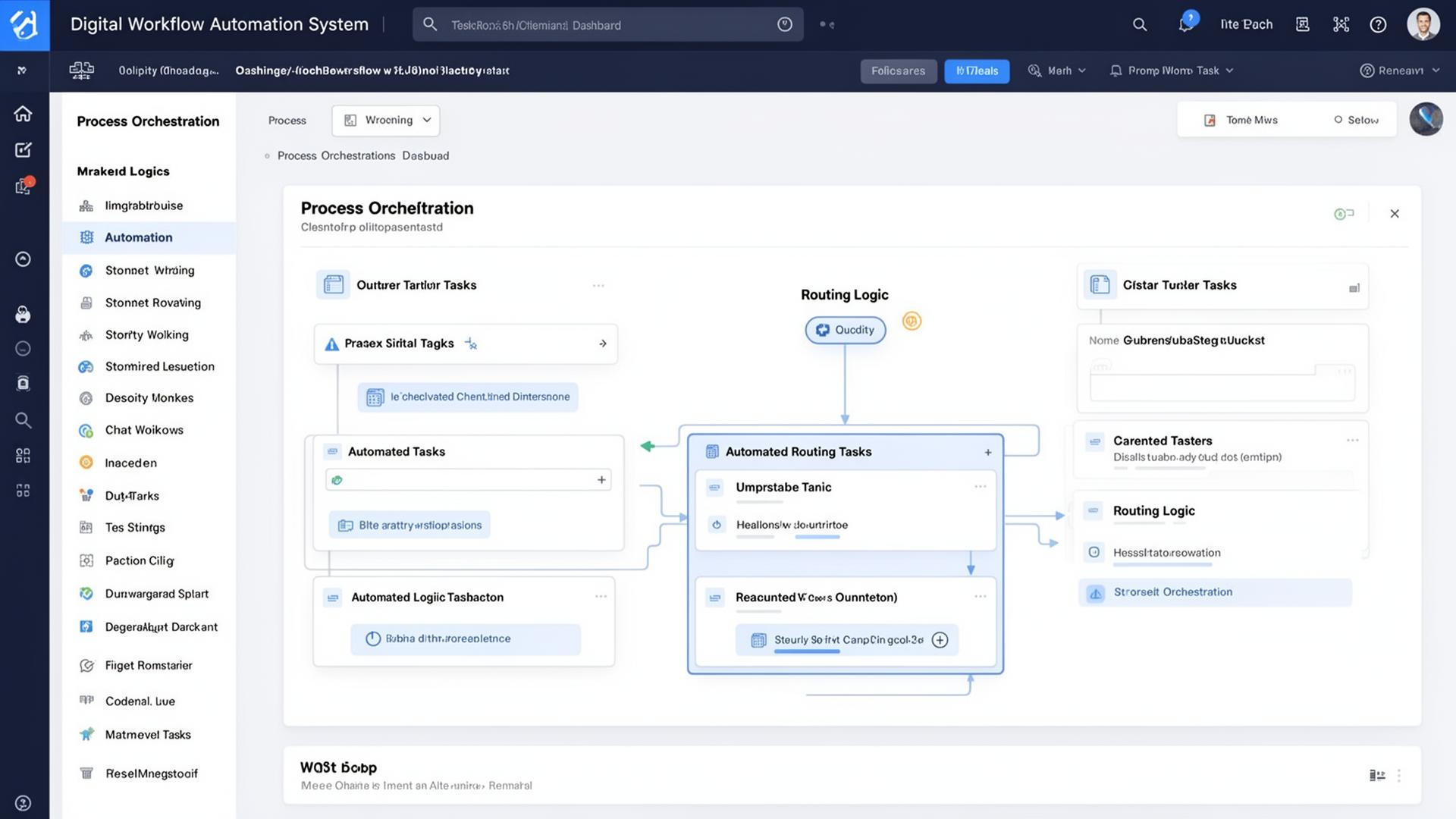
A practical automation architecture has six key components that work together to enforce execution discipline.
Trigger
- Request submission
- Alarm activation
- Inspection finding
- SLA breach
Classification
- Category assignment
- Severity determination
- Criticality tier
- Location zone
Routing
- Team assignment
- Vendor matching
- Shift coverage
- Skill requirements
Execution Steps
- Structured steps with mandatory fields
- Instructions and checklists
- Evidence capture
Decision Gates
- Approvals and validation
- QA sampling
- Compliance checks
Closure and Verification
- Closure gating
- Evidence requirements
- Post-work verification
3. Rule-Based Enforcement Beats Training
Training is necessary but insufficient. The system must enforce mandatory fields, required evidence, failure and remedy coding, supervisor approvals for critical work, and escalation triggers for delays.
- Mandatory fields based on job type
- Required evidence attachments
- Failure and remedy coding enforcement
- Supervisor approvals for critical assets
- Escalation triggers for delays and exceptions
4. Exception Handling Is Where Workflows Become Real
Most workflows collapse in edge cases such as access denied, permit delays, or asset not found. A mature automated playbook defines exceptions with permitted actions, escalation approvals, time limits, and audit trails.
Conclusion
Automated playbooks are not a digital version of a document. They are a rule-driven execution engine with gates, exceptions, evidence, and measurable controls. That is how you scale operations without relying on heroic individuals.
More Insights


Want to discuss this topic?
Our team of practitioners can help you apply these frameworks to your operations.
Get in Touch