
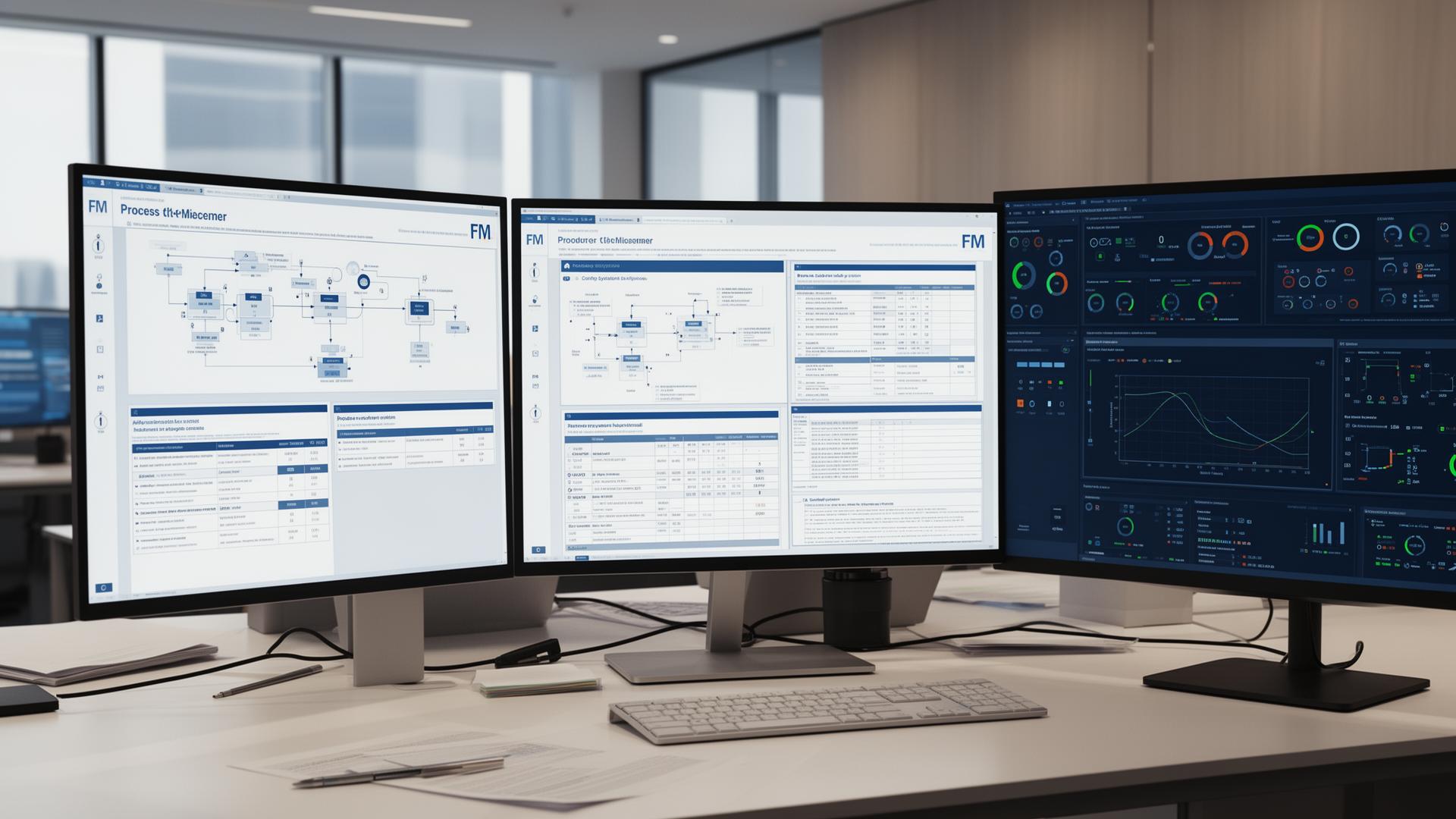
SOPs at the Next Level: From Documents to Operational Control Systems
Most SOPs fail because they are static documents with no enforcement. Learn how to design SOPs as executable control systems with decision rights, evidence gates, and measurable outcomes.
1. Why Traditional SOPs Fail
Traditional SOPs usually fail for predictable reasons. They describe steps without defining decision rights, mandate activities without specifying evidence, and do not define acceptance criteria for done. Most critically, they do not integrate with the tools where work actually happens, and they do not define governance cadence and corrective action loops.
- Describe steps without defining decision rights
- Mandate activities without specifying evidence
- Do not define acceptance criteria for done
- Do not integrate with the tools where work happens
- Do not define governance cadence and corrective action loops
2. The SOP Maturity Ladder
To take SOPs to the next level, treat SOP maturity as staged capability, moving from descriptive documents to adaptive systems that continuously improve based on operational data.
Level 1: Descriptive SOP
- Explains steps and responsibilities
- Low enforcement
Level 2: Controlled SOP
- Adds decision points and approvals
- Evidence artifacts required
Level 3: Measurable SOP
- Defines thresholds and KPIs
- Sampling rules and rejection workflows
Level 4: Digitized SOP
- Mapped into workflow engine
- Mandatory fields and closure gates
Level 5: Adaptive SOP
- Continuously improved through analytics
- Exception trend learning
3. The Three Control Components That Transform SOPs
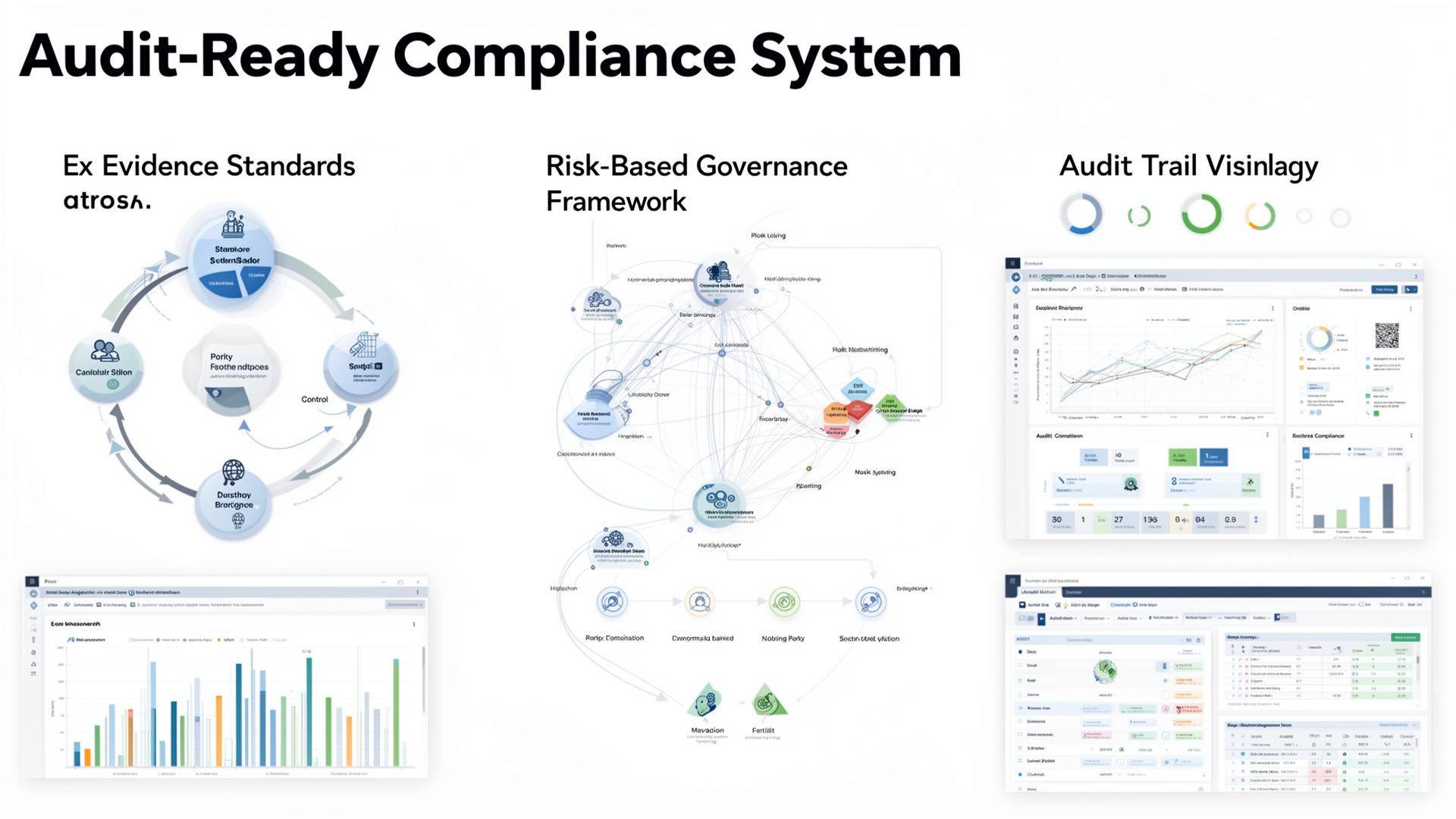
A next-level SOP must include decision rights, evidence standards, and acceptance criteria to transform guidance into executable systems.
Decision Rights
- Who approves what and when
- Time windows for decisions
- Escalation routes when approval is delayed
Evidence Standards
- Photo evidence, logs, checklists, meters
- Approvals captured in-system
- Compliance documents time-stamped
Acceptance Criteria
- Test results and thresholds
- Verification steps
- Supervisor sampling requirements
4. Embed Enforcement Through Sampling and Rejection Loops
The most effective SOP governance model includes QA sampling, rejection workflows, and repeat offender controls. This turns SOPs from guidance into enforced standards.
- Risk-based sampling rates by job type, site, and criticality
- Failed samples must be rejected and reworked
- Repeated noncompliance triggers corrective actions
- Training requirements tied to compliance failures
Conclusion
Next-level SOPs are operational control systems. They define decision rights, evidence standards, acceptance criteria, and enforcement loops. When designed this way, SOPs stop being audit decoration and start becoming the engine of consistency, reliability, and measurable performance.
More Insights


Want to discuss this topic?
Our team of practitioners can help you apply these frameworks to your operations.
Get in Touch